En
En  Da
Da
Singapore is undoubtedly one of Asia’s leading countries when it comes to its long-standing focus on combining a clear national strategy for innovation, international trade and world-class research.
It was therefore a natural choice for the Otto Mønsted Foundation to select Singapore as the destination for yet another ‘train the trainer’ study trip in 2026. As on previous study trips, the participants were staff from Danish universities and the Copenhagen Business Academy, who work on a daily basis with innovation and business development within the entrepreneurial environment surrounding the educational institutions.
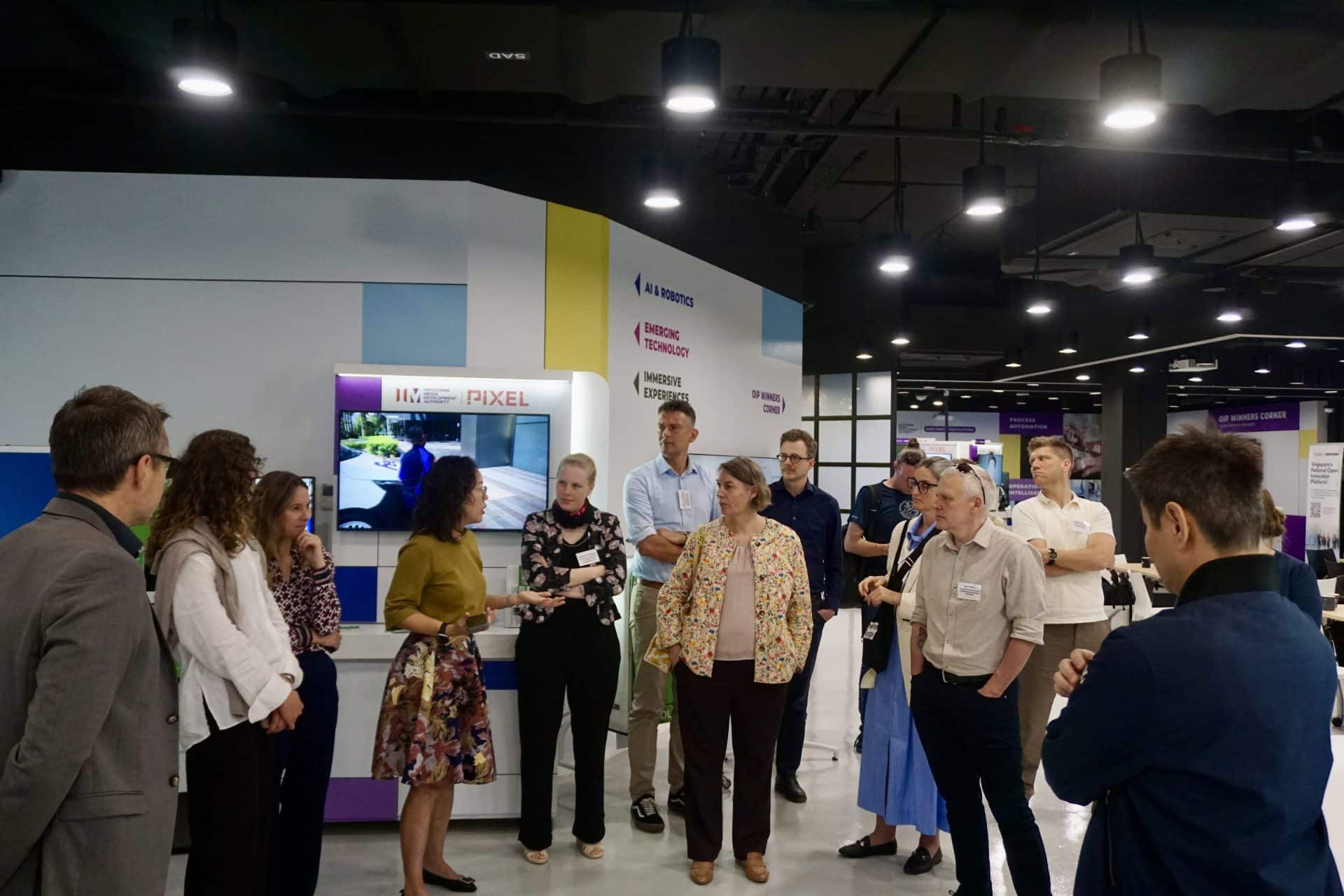
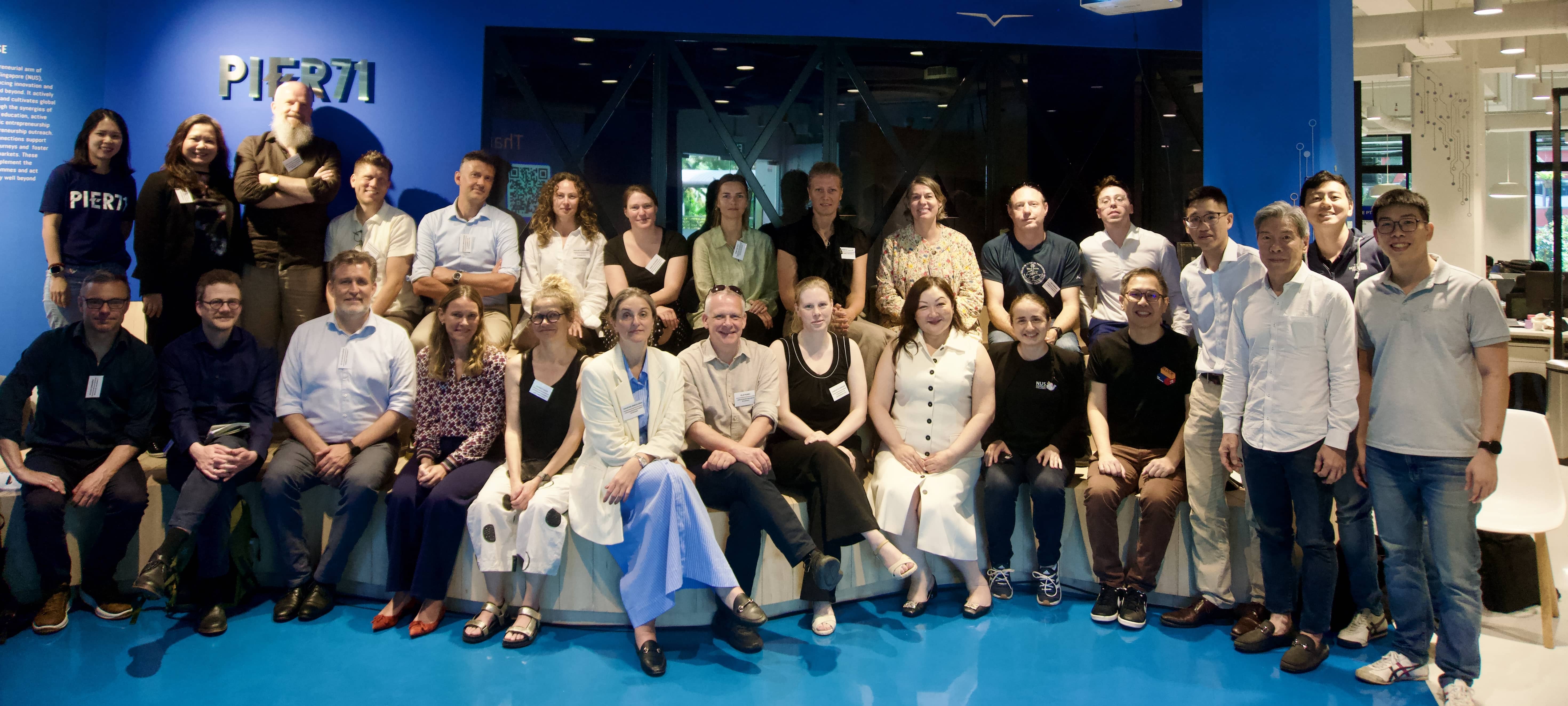
The delegation embarked on a three-day study trip to Singapore in May 2026, hosted by the Danish Embassy in Singapore. An intensive programme had been organised, comprising a series of visits to the universities’ start-up and innovation environments, with the aim of providing the 18 Danish participants with new insights and inspiration, whilst also strengthening both the international network and collaboration between the Danish universities.
One of the participants was Charlotte Aurora Finnerup, Innovation & Community Manager at ITU NextGen, who works to foster innovation and entrepreneurship amongst students at the IT University of Copenhagen.
Charlotte Aurora Finnerup also took part in a study trip with the same aim to Munich in 2025. Whilst the Munich trip provided Charlotte with very concrete tools she could take home and implement, the benefits of the trip to Singapore were, to a greater extent, inspiration and a broader insight into the Singaporean approach, mindset and way of driving innovation and entrepreneurship.
“It was very inspiring to meet them and hear about the things they were working on. It was also an eye-opener for me to see how our identity as innovators differs from theirs. To put it a bit bluntly, I often feel that in Denmark we talk about innovation as a challenge to the status quo, whereas in Singapore innovation is seen as an acceleration of the status quo. We see ourselves as a bit rebellious and as troublemakers, whereas in Singapore, long-term strategies have been set out that, to a greater extent, chart a common course,” she says.
Danish shoes that are too tight
One thing Charlotte particularly noticed was the global outlook, which played a significant role in every aspect of their processes.
“It suddenly became very clear just how much value it can bring to our start-ups if, right from the start, we help them clarify whether Denmark is the right market for them or whether they are more of a ‘born global’ start-up from the outset. For example, at Pier71 (a maritime innovation hub), we heard about their very comprehensive global internship programme, where students can undertake an internship with a start-up abroad. “I would like to see us putting more effort into establishing partnerships with international universities, as a complement to the inter-university projects we already have with Danish universities,” she says.
Strengthening the Danish network
The study trip highlighted the potential for expanded collaboration with Singapore’s six universities and other innovation stakeholders on areas such as start-up placements, talent development and student exchanges.
But the trip was not just about learning from Singapore and building new international partnerships; it was also about strengthening the network among the Danish participants. In this regard, the trip provided an opportunity for professional discussions and meaningful conversations that rarely occur in the hustle and bustle of everyday life.
“For me, one of the greatest benefits was the new relationships forged across the educational institutions. I returned home with a stronger network, which I’m sure will create value – both for our students and for the development of the entrepreneurial environment at Copenhagen Business Academy. At the same time, it was a truly strong academic programme that provided plenty of inspiration and new perspectives on how we can develop the innovation efforts of the future,” says Ola Pukki, Head of Lab and Incubator at Copenhagen Business Academy.
Insights and ‘aha’ moments from the trip
- Singapore drives innovation strategically with clear direction from the government.
- Singapore factors in international scaling from the outset
- Universities and programmes are actively working to develop new entrepreneurial talent.
- There is a high level of motivation among students and founders, as well as a strong culture centred on ambition and a sense of responsibility to give back.
- Denmark has many of the same strengths, but Singapore prioritises innovation and STEM in a more comprehensive and targeted manner.